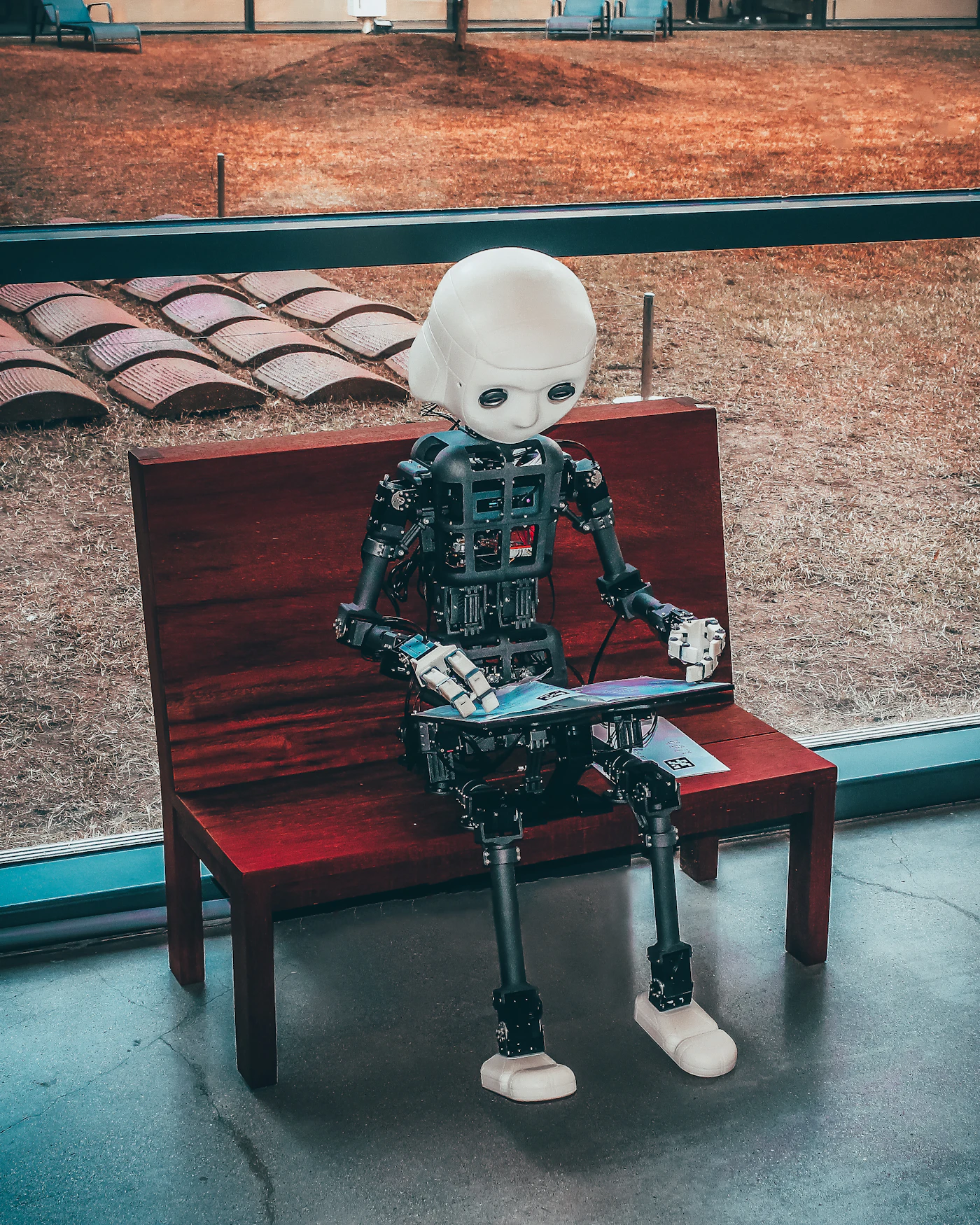
Anthropic has confirmed that Claude is now taking on substantial work in building its own successor model, according to The Washington Post. At the same time, Claude Code, Anthropic's autonomous coding tool, is now available from source, giving builders a direct look at the infrastructure powering this self-referential development loop.
Why it matters
This is not a research paper or a demo. Anthropic is running its most consequential internal work, training the next frontier model, through the model it already ships. That is a meaningful threshold. It signals that AI agents have cleared the bar for high-stakes, long-horizon tasks inside one of the most technically demanding environments possible.
"The lab building frontier models is now its own best proof-of-concept for agent reliability."
For teams still debating whether to put agents on anything beyond low-stakes automation, this is a forcing function for that conversation.
What changes in practice
- The benchmark for agent capability shifts upward. If Claude can contribute to training runs and model research, the argument that agents are only good for CRUD tasks and boilerplate gets harder to defend.
- Claude Code becomes a reference implementation. With the source now public, teams can inspect how Anthropic structures autonomous coding agents, including how it handles tool use, error recovery, and long-context code tasks.
- The model development feedback loop tightens. Claude finding bugs or writing components in its successor means improvements can compound faster than human-only development cycles allow.
- Third-party tooling for agents is maturing in parallel. Projects like Texio, a markdown manipulation tool built specifically for AI agents to handle structured data without brittle regex, reflect a growing ecosystem of agent-native utilities.
How to use it
- Pull Claude Code from source and read the scaffolding. The architecture decisions Anthropic made for its own internal agent work are the most credible signal available for how to structure autonomous coding pipelines.
- Audit your agent task list against this benchmark. If Anthropic trusts Claude with model development subtasks, map your own backlog: what have you been holding back from agents that this news should unlock?
- Adopt agent-native tooling, not human tooling. Tools like Texio exist because markdown parsing with regex breaks in agent loops. Build or adopt utilities designed for machine consumption, not human readability.
- Watch the Claude Code source for prompting patterns. System prompts, tool definitions, and retry logic in a production agent from Anthropic are worth more than most prompt engineering guides published this year.
The most important infrastructure decision you can make right now is treating agents as first-class engineers, because Anthropic already does.
READY TO ASCEND
Get AI news that respects your time
The signal, distilled. Curated AI news and prompt-engineering insight. No noise.

